A lawful permanent resident (PR) is someone who has been granted permanent resident status by immigrating to Canada. This status allows you to live, work, and study anywhere in the country. While you are not a Canadian citizen, you hold most of the same rights and responsibilities. Key rights and benefits of a permanent resident include: Receiving most social benefits, including public healthcare coverage. Protection under Canadian law and the Canadian Charter of Rights and Freedoms. The ability to apply for Canadian citizenship after meeting the residency requirements.
Frerquently Asked Question
- Home
- Faq’s
General Question
Welcome to our Frequently Asked Questions page! We understand that the immigration process can be complex and filled with questions. Our goal is to provide you with clear, reliable, and accessible information to help you navigate your journey to Canada. Below, you will find answers to common inquiries about our services, the application process, eligibility criteria, and more. If you can’t find the answer you’re looking for, please don’t hesitate to contact us directly—we are always here to help.
-
qWhat is a lawful permanent resident?
-
qHow can I apply for the tourist visa?
Applying for a visitor visa to Canada requires a complete and accurate application, which can often be a complex process. The primary steps generally include: Determining Eligibility: First, you must meet the basic requirements set by Immigration, Refugees and Citizenship Canada (IRCC). This includes having a valid travel document (like a passport), being in good health, and convincing an immigration officer that you will leave Canada at the end of your visit. Gathering Documents: You will need to collect all necessary supporting documents. This typically includes a completed application form, proof of financial support to cover your stay, travel itinerary, and a letter of invitation from a Canadian resident (if applicable). Submitting the Application: You can submit your application online or on paper. The online application is generally faster and is the recommended method. Providing Biometrics: Depending on your nationality, you may be required to provide your fingerprints and a photo (biometrics) at a visa application centre. Waiting for a Decision: After submitting your application and biometrics, you will wait for a decision from IRCC. Given the detail required for each step, and to ensure all criteria are met, we recommend seeking professional guidance. At Ayong Immigration, we can assist you with preparing your application, ensuring all documents are in order, and helping you navigate the process to maximize your chances of a successful outcome.
-
qWhere can I get assistance with filling out the visa forms?
Filling out visa forms correctly is a critical step in the application process, as any errors or omissions can lead to delays or even a refusal. You have a few options for getting assistance: Self-Help Resources: You can find detailed instructions on the official website of Immigration, Refugees and Citizenship Canada (IRCC). The forms themselves also come with guides to help you. However, this option requires you to be very meticulous and to fully understand the specific requirements for your situation. Immigration Consultants and Lawyers: This is often the most reliable option. A Regulated Canadian Immigration Consultant (RCIC) or an immigration lawyer can provide professional assistance. They are trained to interpret complex immigration laws, ensure all forms are completed accurately, and help you gather the necessary supporting documentation. They can also represent you in your application. Community Organizations: Some non-profit organizations and settlement services offer free or low-cost assistance with immigration forms. These services are typically available to new immigrants or refugees. At Ayong Immigration, our team is led by a Regulated Canadian Immigration Consultant (RCIC) who is an expert in Canadian immigration law. We can assist you with every step of the process, from choosing the right visa and filling out the forms to submitting a complete and compelling application on your behalf. Our professional guidance helps to minimize the risk of errors and maximize your chances of a successful outcome.
-
qWhat types of ID are acceptable as proof-of-identity?
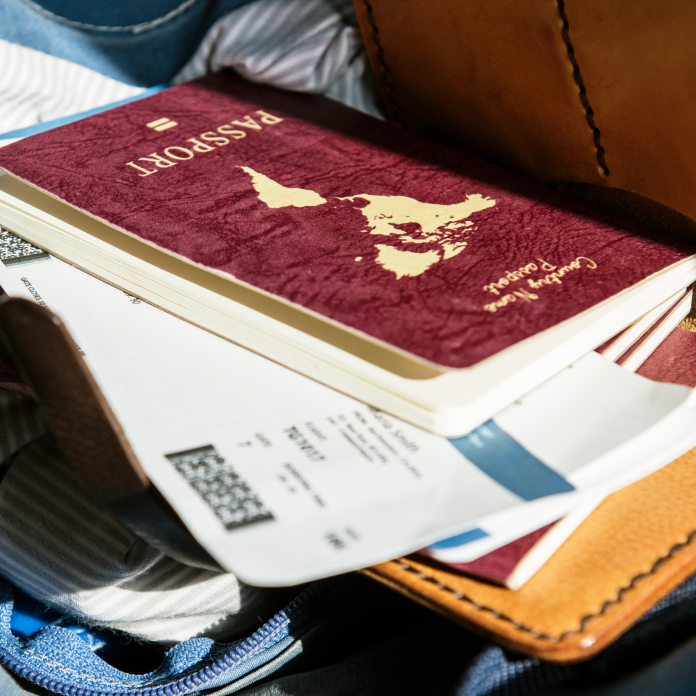
When submitting an immigration application, providing valid proof of identity is crucial. The requirements can vary depending on the specific application, but generally, the documents must be current, government-issued, and include key information about you. Here are the most common and widely accepted forms of identification: Passport: This is the most universally accepted document for proof of identity and travel. It must be valid (not expired) and should contain your photo, name, date of birth, and signature. National Identity Card: A national ID card issued by your country's government is often accepted, provided it includes a photo, name, and date of birth. Permanent Resident Card: For those already holding PR status in Canada, this card is a key piece of identification. Driver's License: A valid driver's license from your home country, a Canadian province, or a U.S. state is often accepted, especially if it includes a photo and signature. Other Canadian Immigration Documents: Documents such as a Study Permit, Work Permit, or Visitor Record (IMM 1442) can also serve as proof of identity within Canada. Important Considerations: Validity: All identification documents must be valid and not expired. Clarity: Ensure that the documents are clear, legible, and that all information is easy to read. Combination: In some cases, you may be required to submit multiple documents to meet all the criteria (e.g., if one document lacks a photo or signature). Our team at Ayong Immigration can review your specific case to confirm which documents are required for your application and help ensure your submission is complete and correct.
-
qCan I transmit citizenship to my spouse?
No, you cannot directly "transmit" or sponsor your spouse for Canadian citizenship. Citizenship is not a status that can be transferred. Instead, your spouse must follow a multi-step process to become a citizen on their own. Here is the general path your spouse must take: Become a Permanent Resident: The first step is for you to sponsor your spouse for Canadian permanent residency. This is done through the Spousal and Common-Law Partner Sponsorship program. Once the application is approved, your spouse will be granted permanent resident status. Meet Physical Presence Requirements: After becoming a permanent resident, your spouse must physically reside in Canada for a certain number of days to become eligible for citizenship. As of the current rules, an adult must be physically present in Canada for at least 1,095 days (three years) during the five years immediately before they sign their citizenship application. Meet Other Requirements: Your spouse must also meet other criteria, including filing their taxes (if required), demonstrating an adequate knowledge of Canada's languages (English or French), and passing a citizenship test. Once all these requirements are met, your spouse can apply for citizenship and, upon approval, take the Oath of Citizenship. Our team can guide you through both the spousal sponsorship process and the subsequent citizenship application to ensure all requirements are met correctly.
-
qHow much does immigration cost?
The cost of immigrating to Canada varies significantly depending on the specific program you are applying for and the number of family members included in your application. There is no single fee for all immigration pathways. The costs generally fall into a few key categories: 1. Government Processing Fees: These are the fees you pay to Immigration, Refugees and Citizenship Canada (IRCC) to process your application. They differ by program: Permanent Residency (e.g., Express Entry): This includes a processing fee for the principal applicant, their spouse or common-law partner, and any dependent children. Right of Permanent Residence Fee (RPRF): This is a separate, one-time fee that most permanent resident applicants must pay before their status is granted. Temporary Residency (e.g., Visitor Visa, Study Permit, Work Permit): These applications have lower processing fees compared to permanent residency. 2. Biometrics Fee: Most applicants are required to provide their fingerprints and photo, for which there is a separate fee. 3. Other Associated Costs: Beyond the government fees, you should budget for additional expenses, which may include: Medical Exams: All permanent residency applicants and some temporary residency applicants must undergo a medical examination with an IRCC-approved panel physician. Police Certificates: Fees for obtaining police certificates from every country or territory where you have lived for six months or more since the age of 18. Language Testing: Fees for approved language tests (e.g., CELPIP, IELTS, TEF, TCF) required for programs like Express Entry. Educational Credential Assessment (ECA): Fees for having your foreign education assessed to ensure it is valid and equal to a Canadian credential. 4. Professional Fees: If you choose to hire a professional, such as a Regulated Canadian Immigration Consultant (RCIC) or a lawyer, there will be a separate fee for their services. This cost covers professional guidance, preparation of forms, and representation on your behalf. For a detailed and up-to-date breakdown of all government fees for your specific situation, we recommend consulting the official IRCC website. At Ayong Immigration, we provide a transparent and comprehensive breakdown of all expected costs during your initial consultation.
We help you achieve your Canadian dreams. Our professional team provides clear, reliable, and personalized immigration services, guiding you through every step of the process with confidence.
Reach Out
- Next to Bocom, Buea
- +237 650636130
- 150 Hughson street S, Hamilton, ON, Canada
- +1 437-262-2751
Useful Links
Recent Projects





Copyright 2025 by Ayong Immigration All Right Reserved.
Go To Top

About ayong immigration
About